
When to Be Concerned: Spotting Potential Structural Issues in Your Utah Home
As a homeowner in Utah, you know your house isn't always perfectly still. Mysterious creaks, a settling sound here, a tiny crack there – it's common for houses to show signs of age or minor shifts. But how do you tell the difference between normal wear and tear and a serious structural issue that requires professional attention?

Do I Need To Hire An Engineer?
Ignoring potential problems can lead to costly repairs, diminished property value, and even safety hazards down the line. At Blue Sky Engineering, your trusted Utah structural engineer, we want to empower you to recognize the warning signs. Here's a guide to common indicators that might signal a deeper structural concern, prompting you to seek an expert home structural inspection.
Key Indicators
Drywall Cracking (Beyond Hairline)
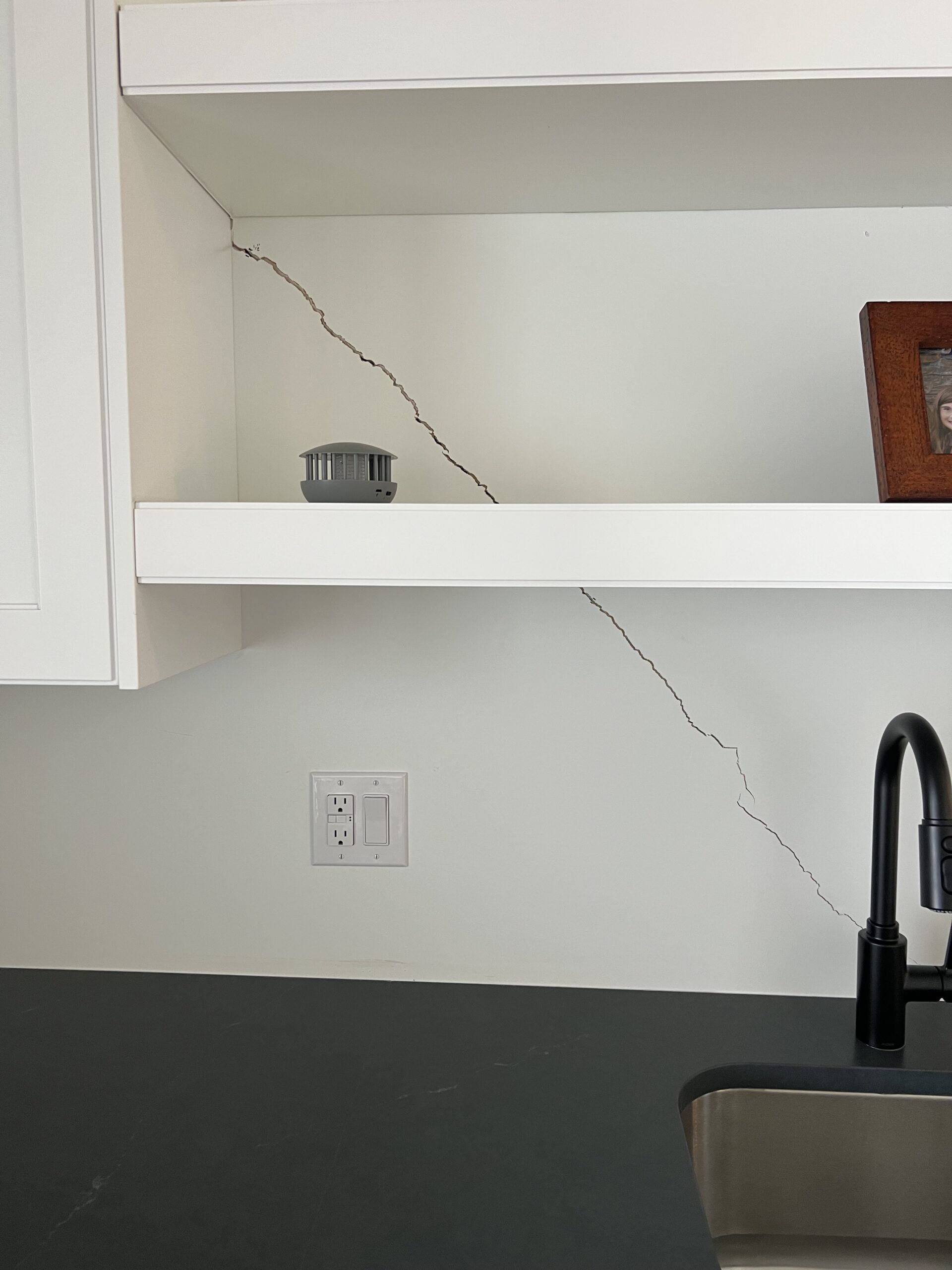
What to look for: While small hairline cracks around windows or doors can be normal due to seasonal expansion/contraction, larger, jagged cracks, cracks that run diagonally across walls, or cracks that extend onto ceilings often indicate movement in the framing or foundation.
Why be concerned: These can be symptoms of significant stress on your home's framework or foundation.
Brick Cracking (Especially Stair-Step or Horizontal)
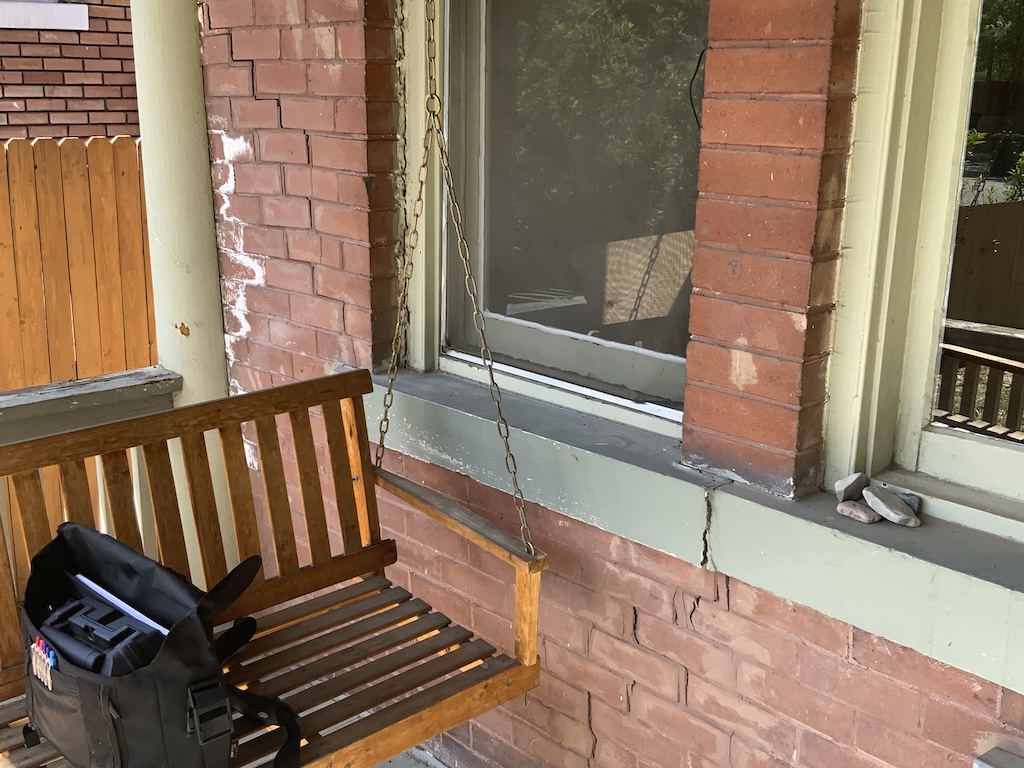
What to look for: While small hair-line cracks can be minor, stair-step cracks (following mortar joints) or horizontal cracks in brick masonry often indicate foundation movement, lintel failure, or significant wall stress. Vertical cracks through brick can also be an indication of a failure in the brick as well.
Why be concerned: These cracks suggest the underlying structure or foundation is settling, putting immense pressure on the rigid brickwork.
Improper Footing and Foundation Excavation
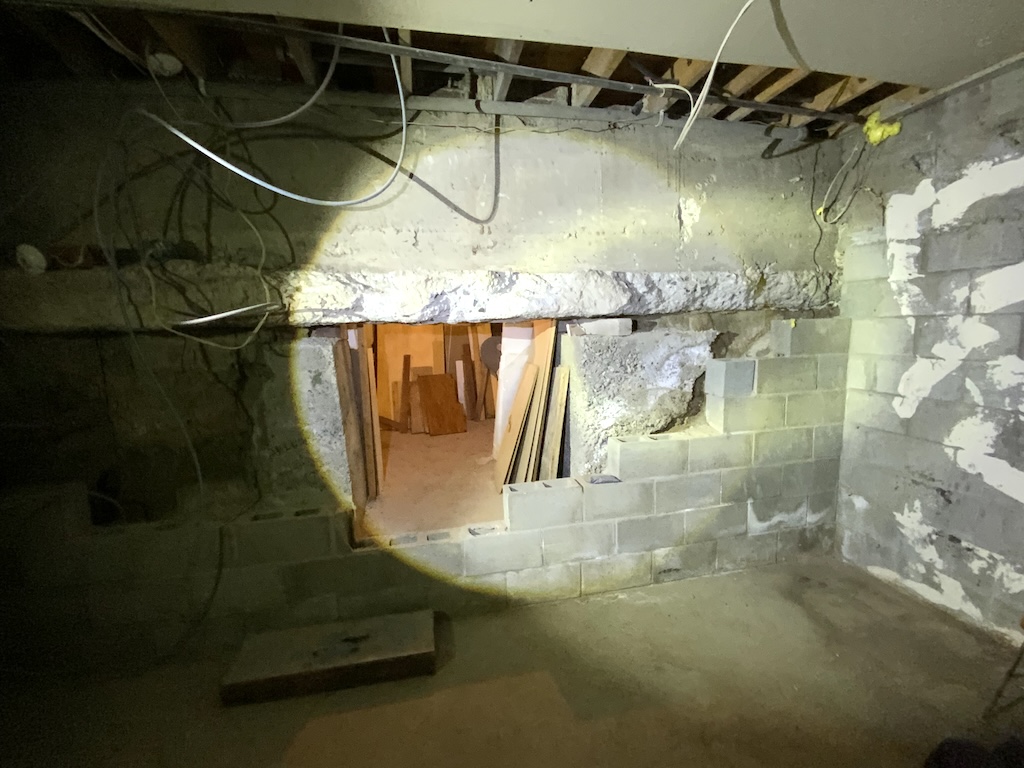
What to look for: For homes under construction or if you have access to a crawl space/basement, look for evidence of footings that are too shallow, uneven, or appear to have been excavated improperly. You might see exposed rebar that isn't properly encased. Or maybe you might be interested in converting your crawl space into a livable basement. This is possible but please consult us prior to starting any excavation
Why be concerned: A home's stability starts with its foundation. Improper excavation or inadequate footings can lead to future settling instability or collapse.
Settling Foundations
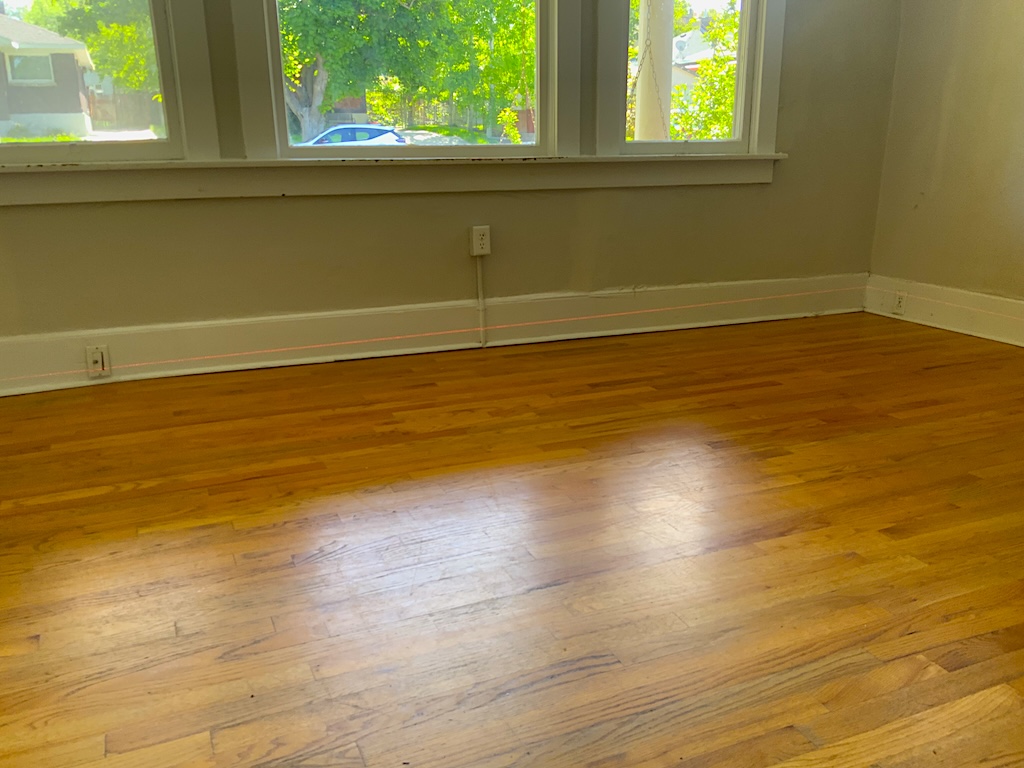
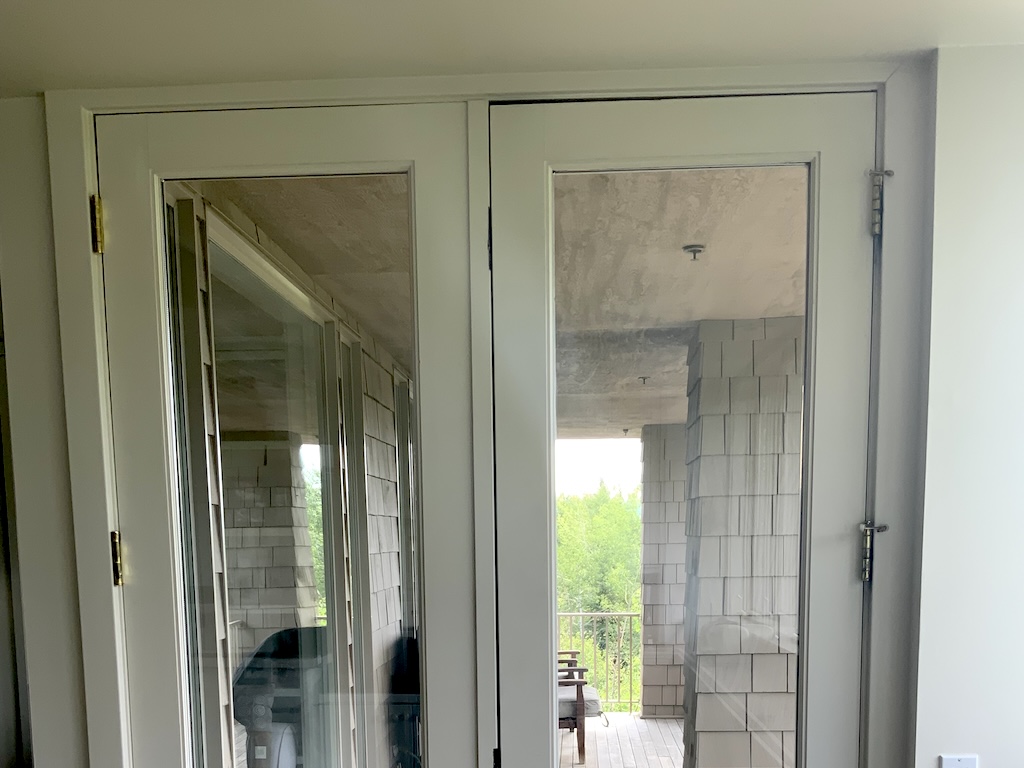
What to look for: Uneven floors, doors and windows that stick or don't close properly, sloping rooms, or exterior walls that appear to be sinking relative to the ground around them.
Why be concerned: Utah's unique soil conditions and freeze-thaw cycles can wreak havoc on a foundation. Foundation settling means the ground beneath your home is moving, impacting the entire structure. This may require an assessment or foundation repair.
Foundation Wall Cracks
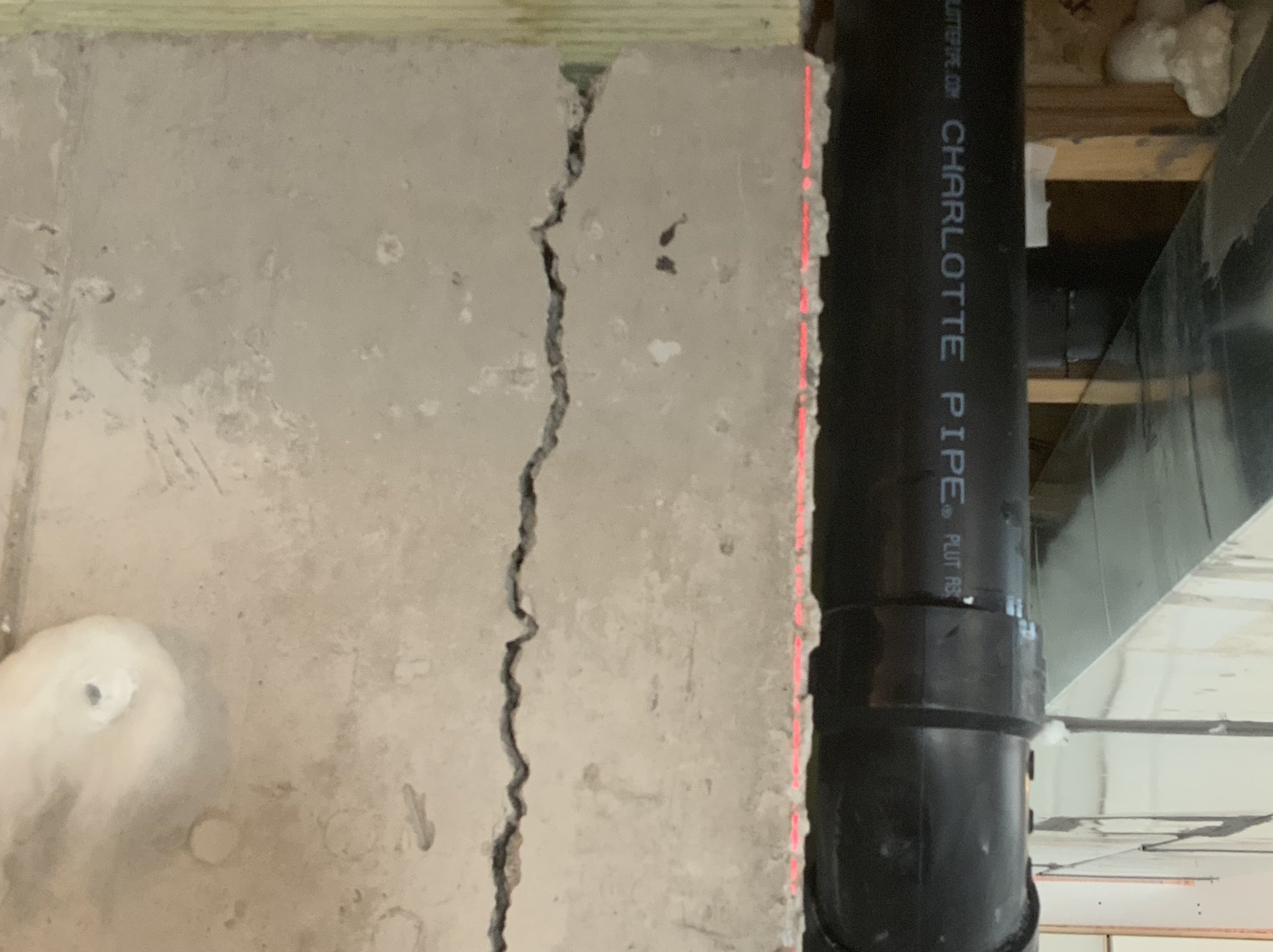
What to look for: Beyond hairline surface cracks, pay attention to cracks that are wider than 1/16 inch, those that are actively widening, cracks that show differential movement, or horizontal cracks in basement walls.
Why be concerned: Horizontal cracks, especially, can indicate significant pressure from outside soil or internal structural issues. Water seepage through these cracks can further exacerbate problems.
Bowed or Buckled Wall Studs (Column Failure)
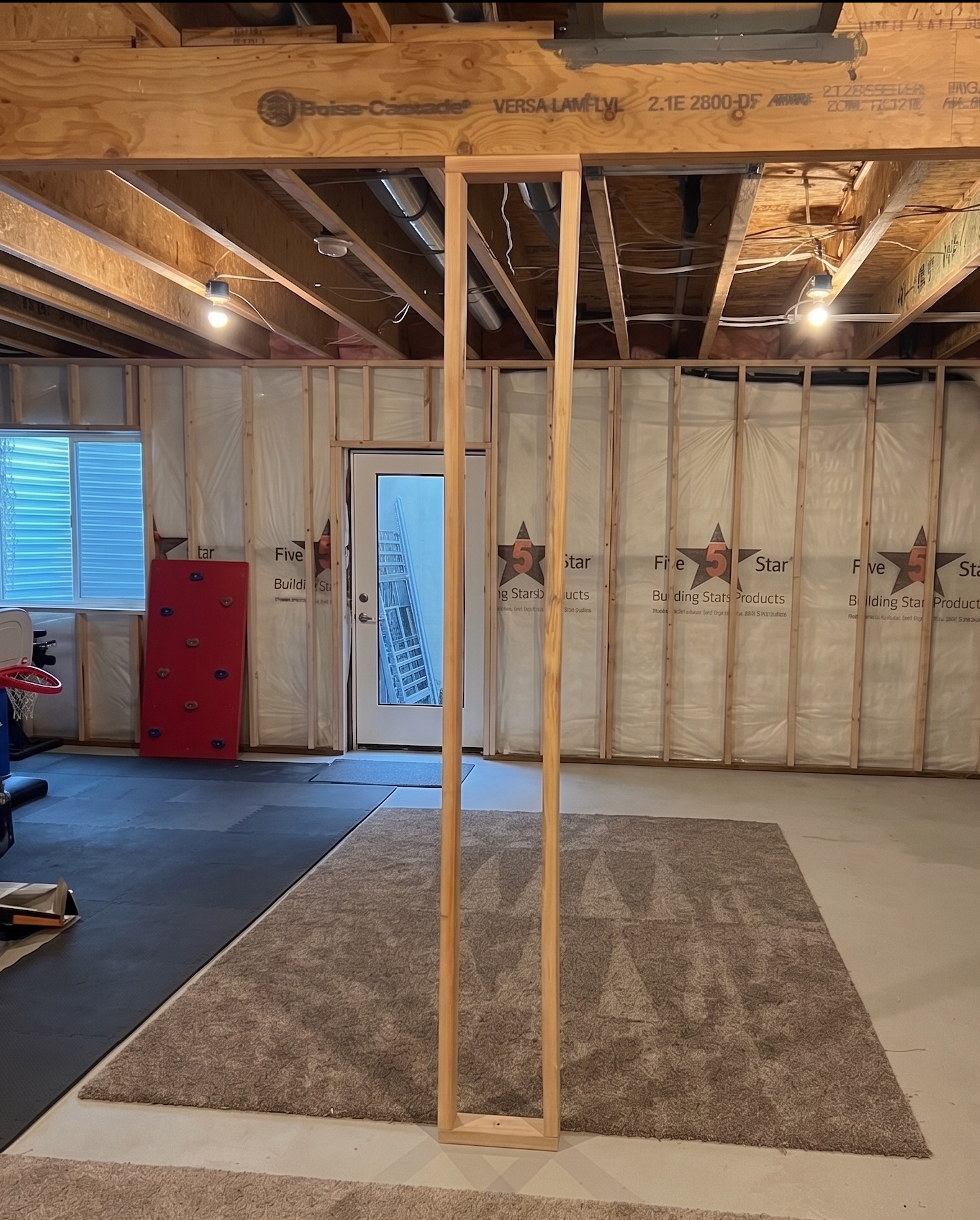
What to look for: Examine the vertical framing members (studs or posts) in unfinished areas like basements or garages, or look for severe, unexplained bulging in finished drywall. You are looking for a distinct curve, bow, or outward bend in the middle of the vertical wood member.
Why be concerned: This is a classic sing of "column failure" caused by excessive axial compression. It means the weight pushing down from above (the dead or live load) is far greater than what that vertical stud was designed to support without deflecting. As the stud bows, it loses its structural integrity. If left unaddressed, the wood can snap entirely, leading to a dangerous localized collapse of the floor or roof it supports above.
Retaining Wall Tilting or bulging
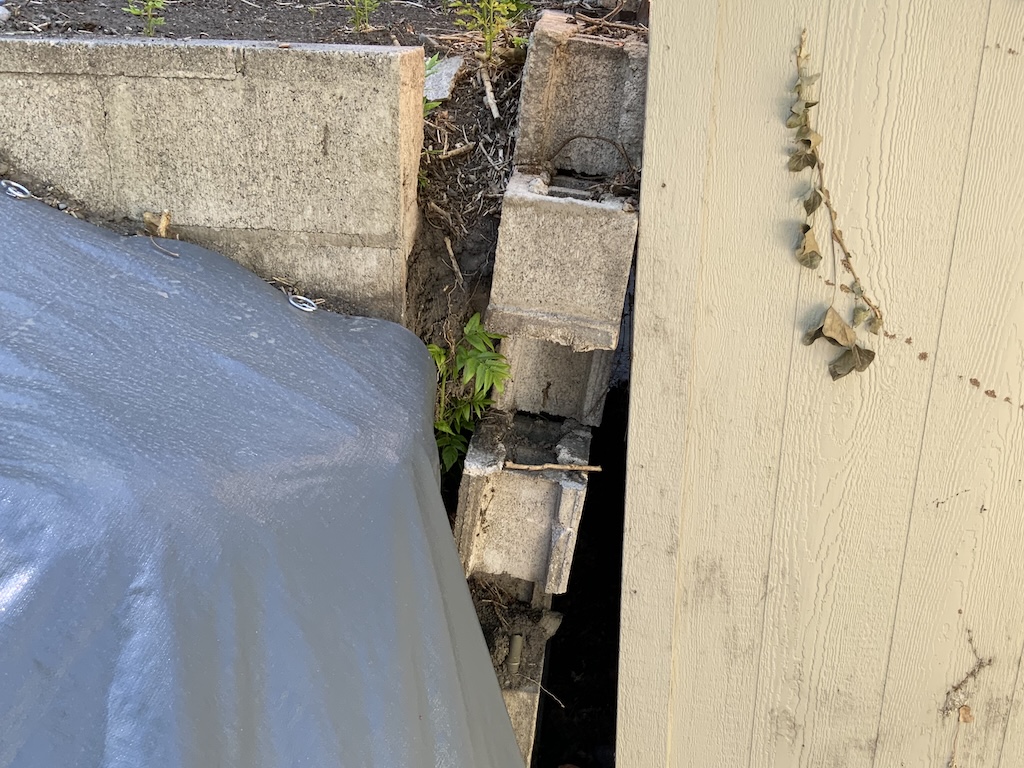
What to look for: Observe if your exterior retaining walls are leaning noticeably, bulging outwards, or showing large, continuous cracks.
Why be concerned: Retaining walls hold back significant amounts of soil. A failing wall can collapse, leading to property damage or injury. Our residential structural engineers Utah understand the forces at play.
Walls and Floor Joists on the Ground (Lack of Footing and Foundation)
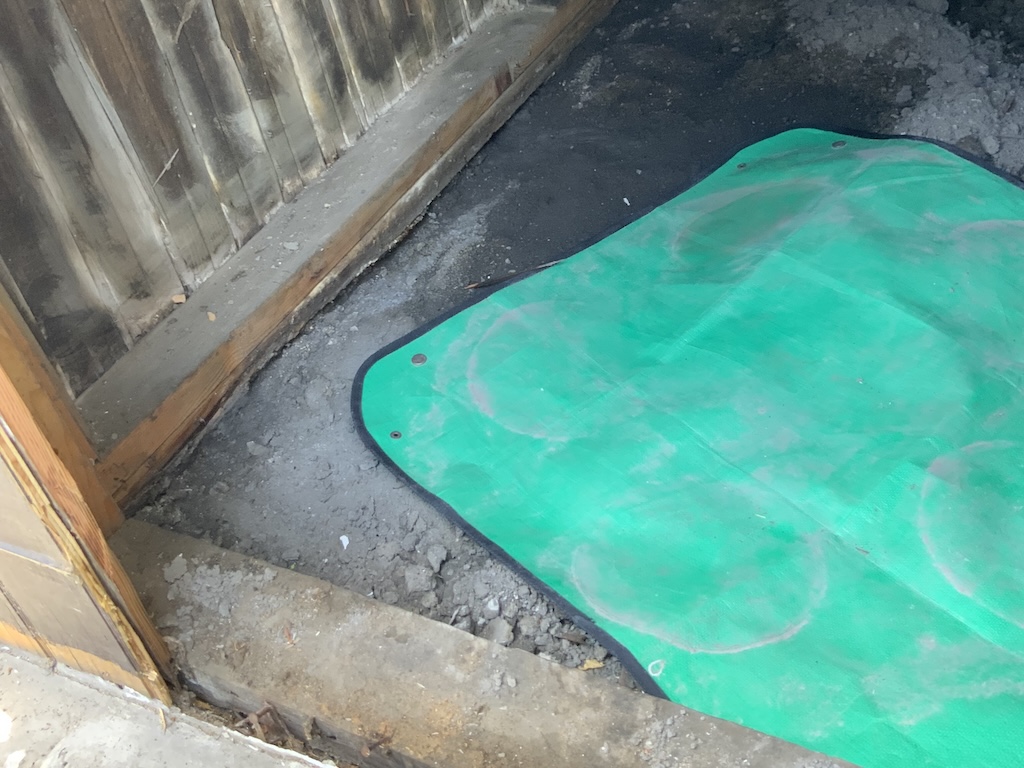
What to look for: In older homes or additions, you might find situations where wooden floor joists or even wall studs are directly contacting the soil in a crawl space or basement.
Why be concerned: Wood in direct contact with damp soil is highly susceptible to rot, pest infestation, and overall structural decay, leading to floor sagging and instability. This indicates a complete lack of proper construction.
Water-Damaged and Large Deflected Beams
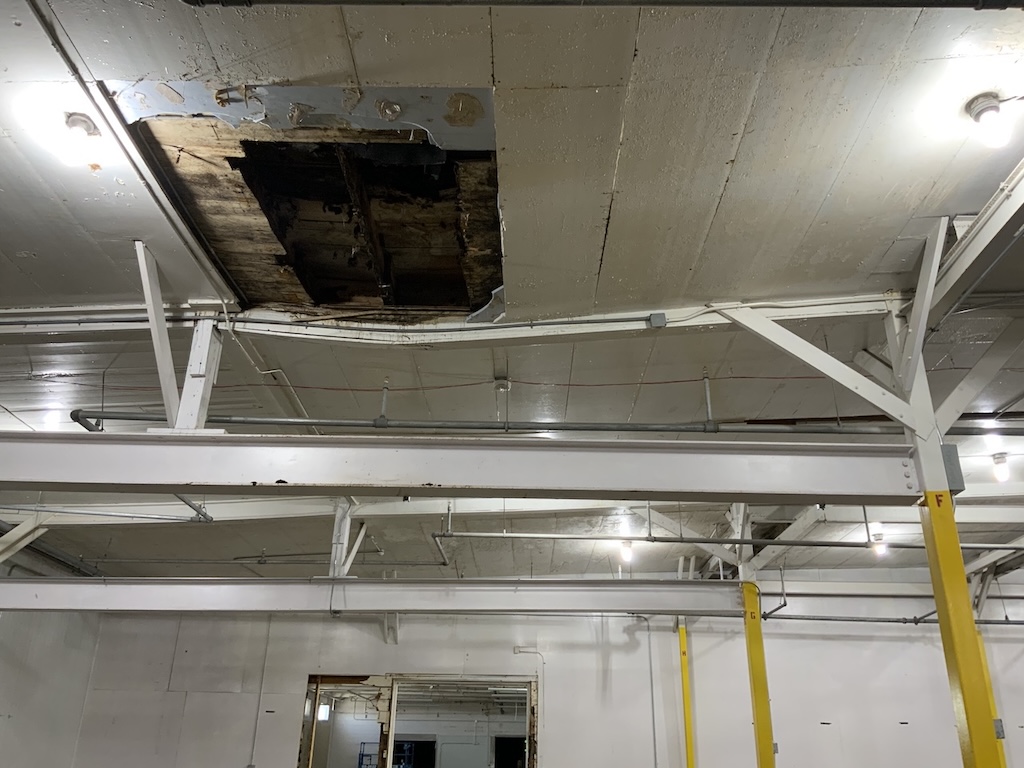
What to look for: Inspect visible beams in basements, crawl spaces, or attics for signs of water stains, rot, mold, or noticeable downward bowing/sagging (deflection).
Why be concerned: Water compromises wood, leading to rot and weakened structural capacity. Excessive deflection means the beam is under too much stress and could fail.
Beam Crushing or "Bearing Failure"
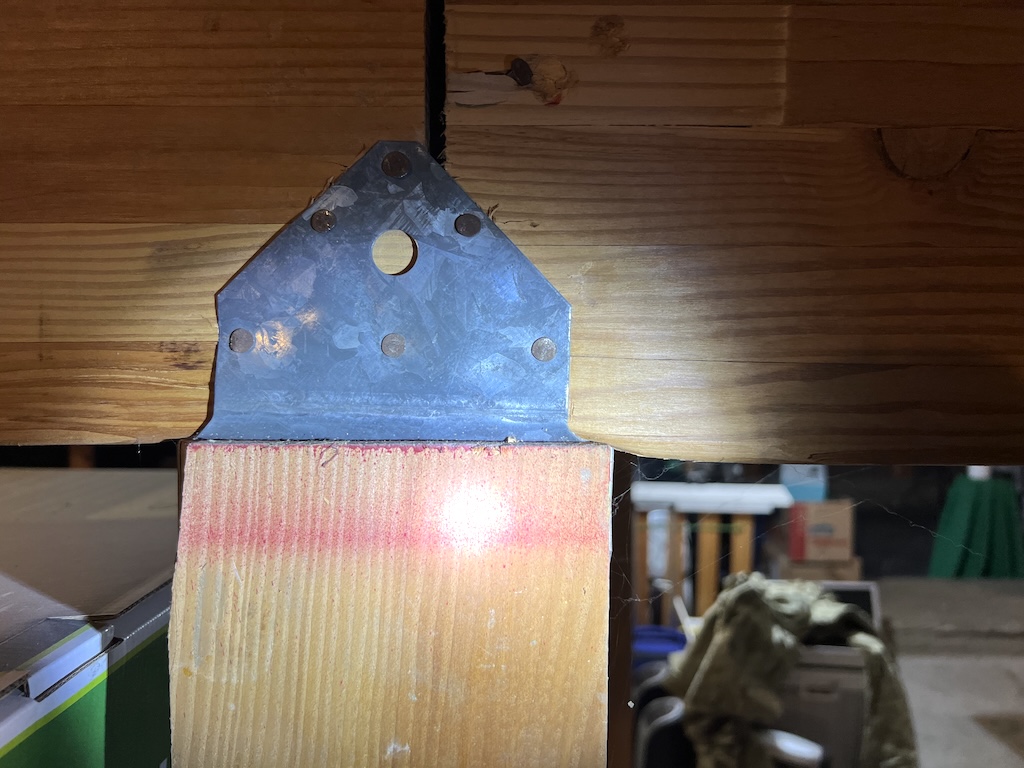
What to look for: Observe where beams or joists rest on support columns or walls. Look for signs of the beam being compressed, splintered, or "crushed" at its bearing points. Or any areas where there is minimal bearing area between the beam and the support.
Why be concerned: This indicates the support element is not adequately sized or the connection isn't distributing the load properly, potentially leading to catastrophic failure.
Improper Basement Shoring
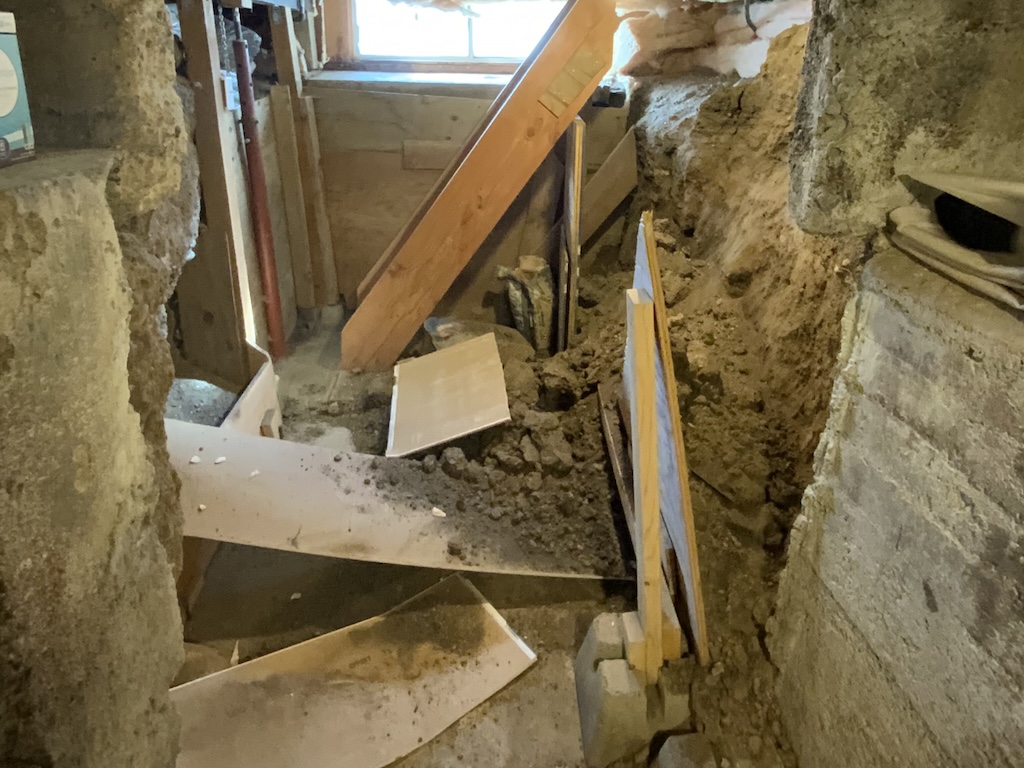
What to look for: If you have temporary shoring in your basement (e.g., during a renovation), ensure it looks professionally installed, is plumb, properly braced, and hasn't shifted. Makeshift or deteriorating shoring is a huge red flag.
Why be concerned: Basement shoring is critical for supporting floors or walls during construction. Improper installation or failure can lead to severe structural collapse.
Inadequate Roof Framing
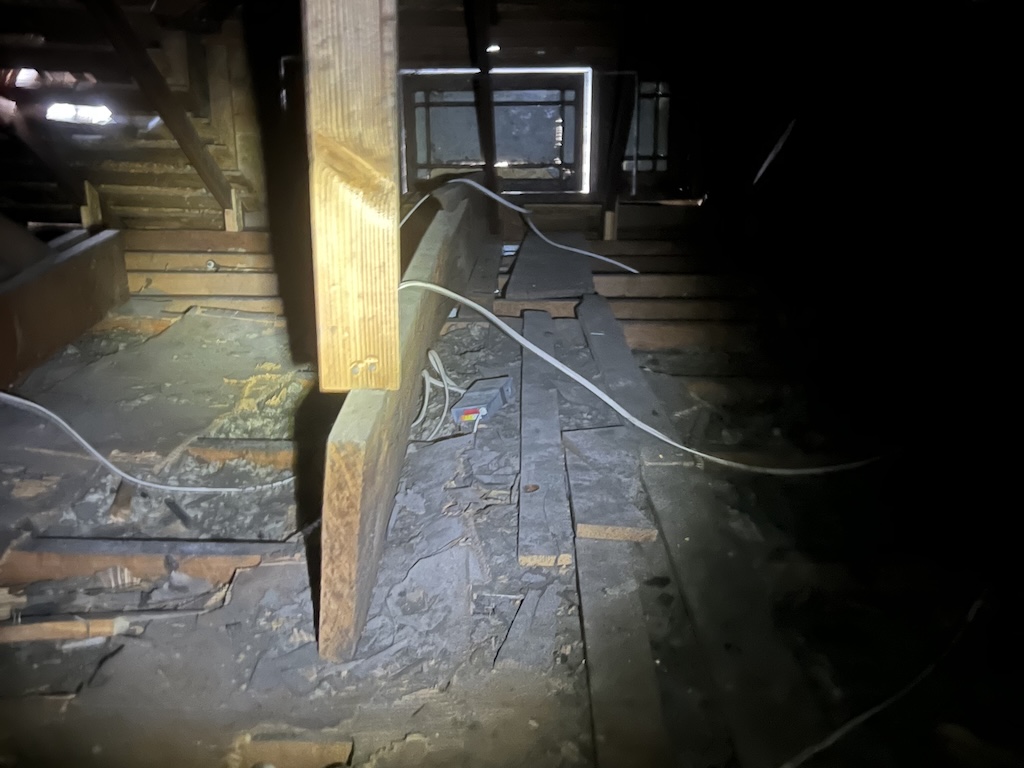
What to look for: In your attic, observe roof rafters or trusses for excessive bowing, sagging, broken members, or insufficient bracing. This can be exacerbated by heavy snow loads common in Utah.
Why be concerned: An inadequately framed roof can sag, lead to roof collapse, or compromise the entire upper structure of your home.
Accidental Damage
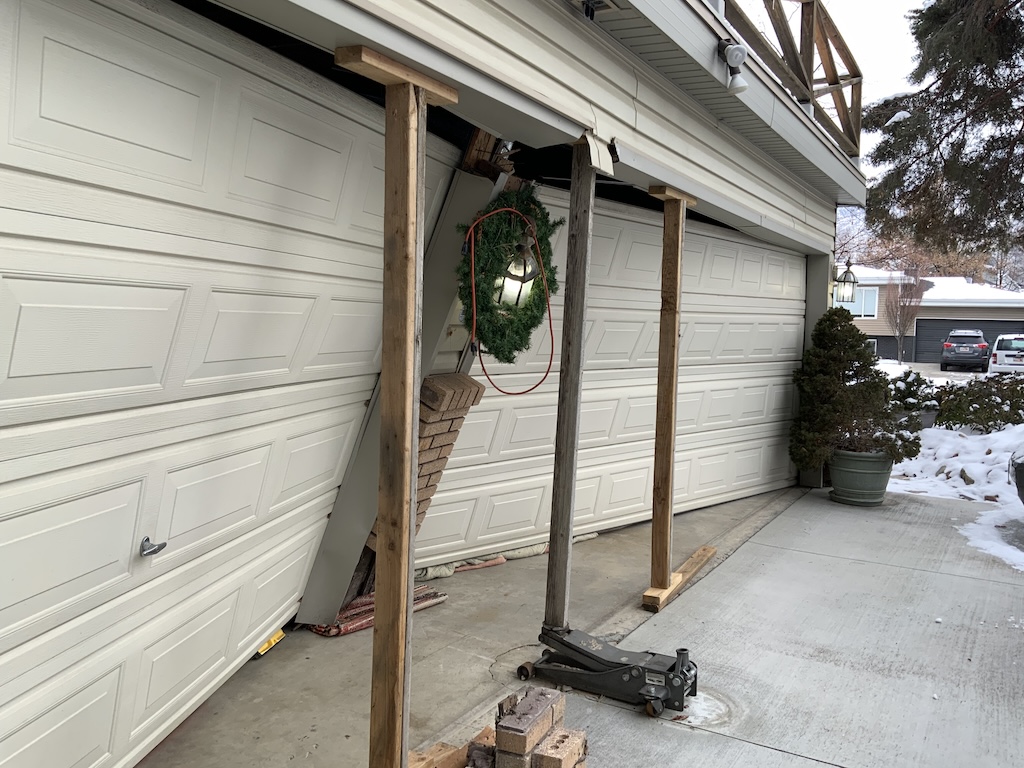
What to look for: Any significant impact from a vehicle, falling tree, or construction mishap that affects a structural element (wall, column, beam, roof).
Why be concerned: Even if it looks minor on the surface, internal structural damage might be present, compromising the integrity of your home.
Past Contractor & diy mistakes
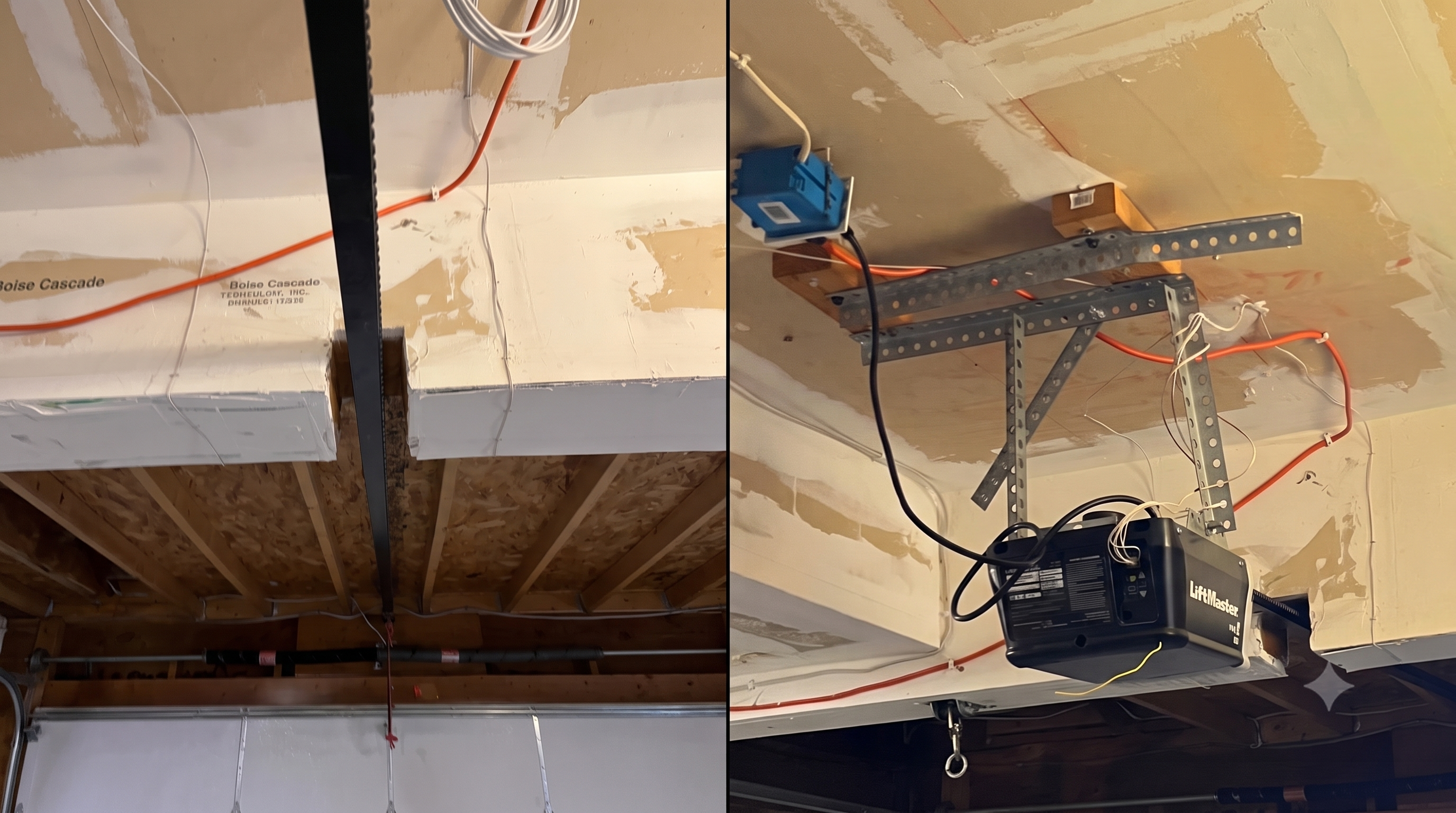
What to look for:Carefully examine any areas of the home that were previously renovated, especially if the work was completed without a known structural engineer. Check for evidence of improper modifications, such as floor joists that have been aggressively "notched" or drilled through to hide new plumbing/electrical lines, the removal of a wall where the ceiling now sags, undersized header beams over new doors or windows, or any other visible signs of "shortcut" repairs that deviate from standard code and engineering practices.
Why be concerned:A previous contractor or homeowner working without proper engineering guidance may have "cuts corners" on the structural framework to make a project faster or cheaper. These improper cuts, inadequate support structures, or hidden foundational compromises significantly weaken the overall framework. Over time, these mistakes lead to severe structural settlement, persistent floor "bounce," or dangerous localized collapse if not properly assessed and corrected.
Why a Professional Blue Sky Structural Engineering Assessment Matters
Your home's structure is its backbone. While some issues might be cosmetic, many are critical and require immediate attention from a qualified Blue Sky structural engineer in Utah. Attempting to diagnose or fix these problems without expert knowledge can lead to bigger, more expensive, and more dangerous outcomes.
At Blue Sky Engineering, your Utah residential engineer, we bring years of experience in assessing complex structural challenges across Utah. We provide thorough inspections, detailed reports, and clear recommendations, giving you the knowledge and peace of mind you need to protect your investment.
Don't wait for a small concern to become a major problem. If you notice any of these warning signs, it's time to get a professional opinion.
Contact Blue Sky Engineering Today
Book a comprehensive structural assessment and ensure the safety and longevity of your home.