
Homeowners often panic at the first sight of a crack in their exterior finish, but from a structural engineering perspective, not all cracks are created equal. Many factors influence why these fissures appear, ranging from the age of the material to environmental exposure.
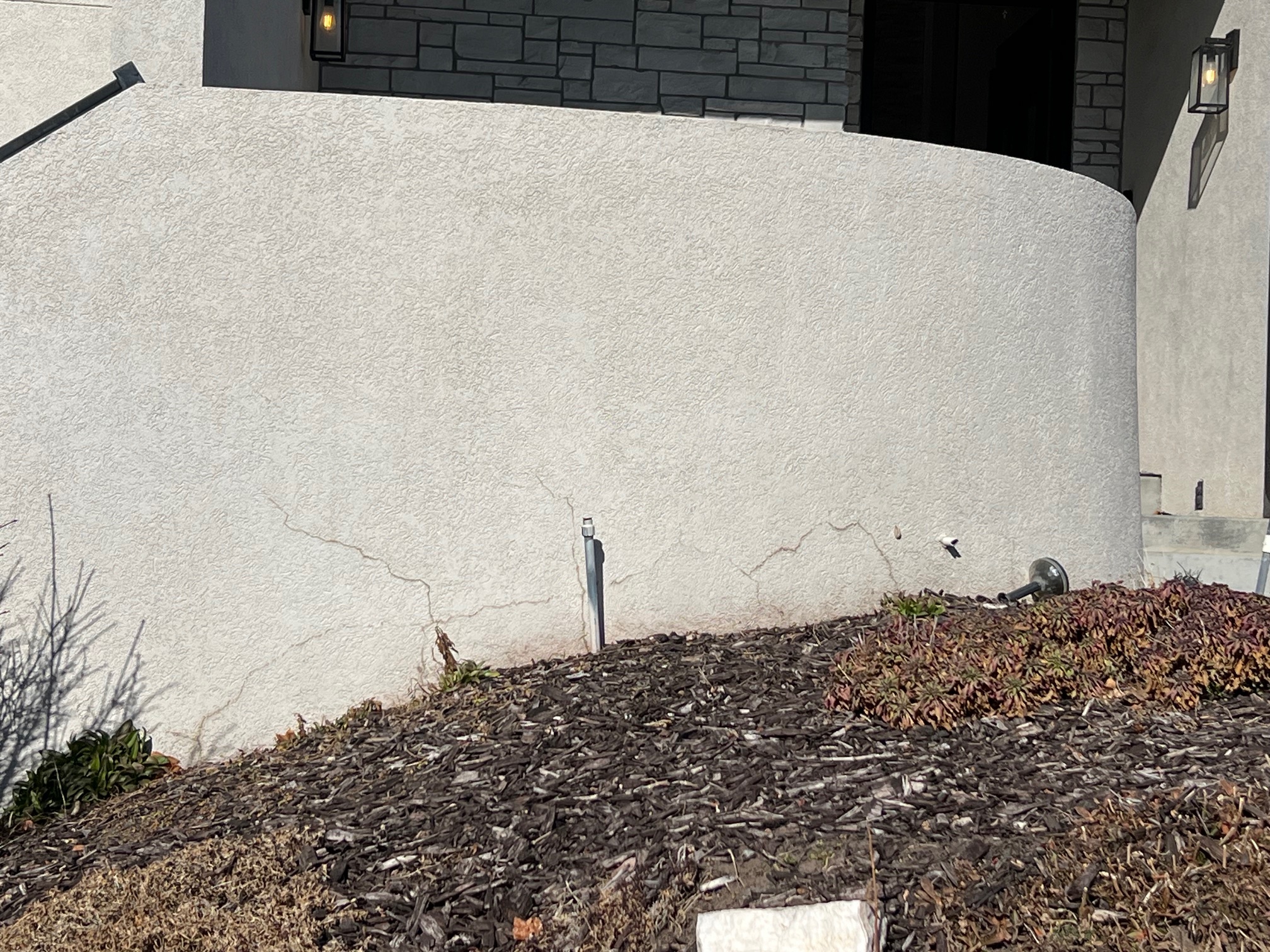
Why Stucco Cracks Happen
Stucco is a rigid, concrete like material, and several variables can contribute to its cracking over time:
- Application Details: The type and thickness of the stucco used, as well as whether proper wire backing was utilized during installation, play a major role in its longevity.
- Environmental Stress: Constant weather exposure and the natural aging process of the material can lead to surface-level fissures.
- External Vibrations: Factors such as heavy vehicle traffic nearby or even minor earthquakes can cause enough vibration to crack a rigid stucco exterior.
Structural Concern vs. Cosmetic Issue
It is important to remember that just because stucco cracking has occurred, it does not mean your house framing has been compromised. In many cases, hairline cracks—while aesthetically unpleasing—are typical for older homes, or poor installation and are not a structural concern.
While typical hairline cracks are common, homeowners should be aware of the difference between minor settling and true distress:
- Typical Cracking: Minor hairline cracks are often the result of natural settling in houses within a few years after it is built.
- Visible Repairs: Previous stucco repairs may remain visible and noticeable, but they are often an aesthetic issue rather than a structural one.
- Signs of Real Damage: If actual structural damage were occurring, you would typically see much larger, more significant cracks than standard hairline fissures.
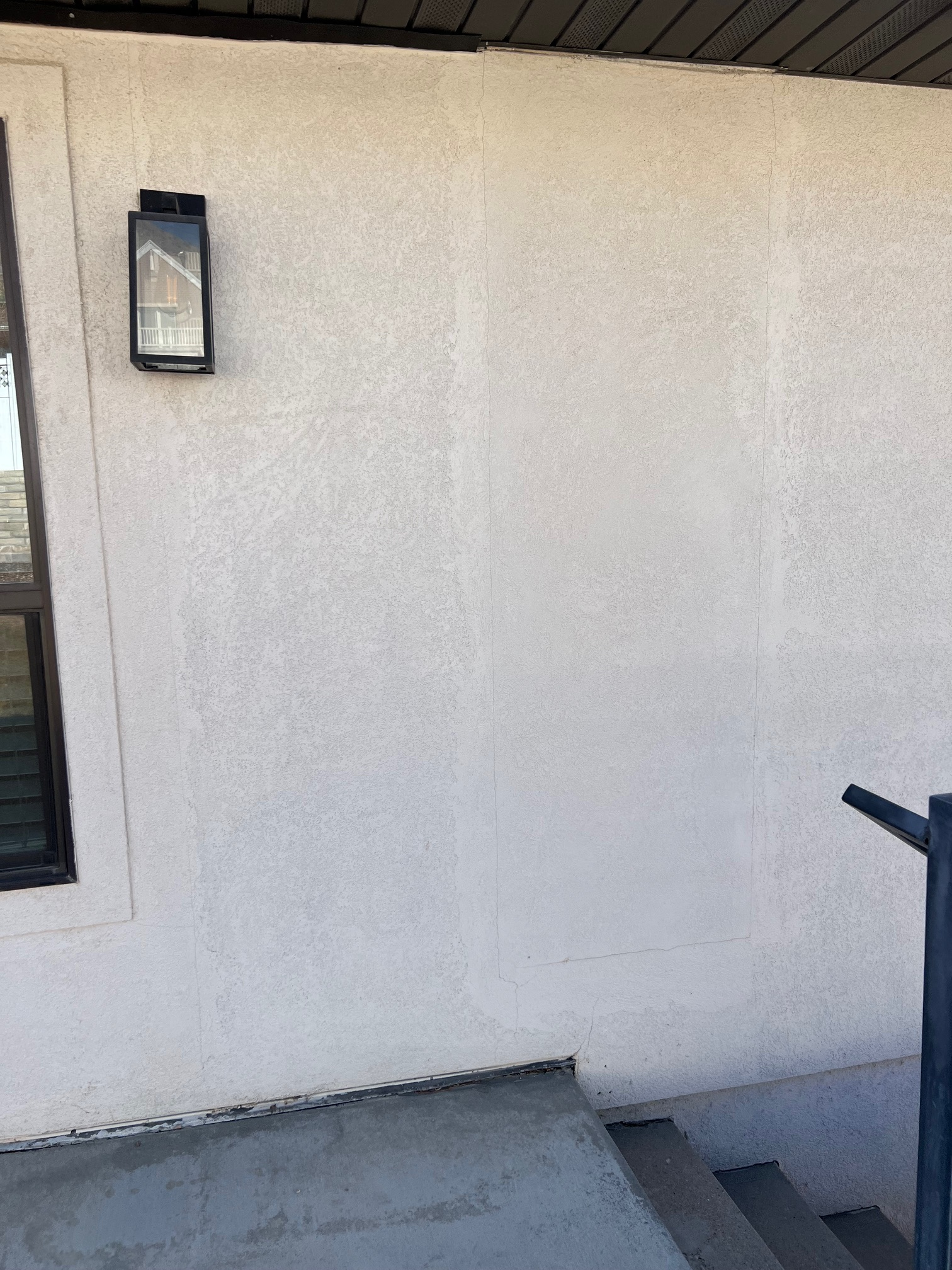
Example of visible stucco repairs.
When to Call an Engineer
While most stucco cracking is cosmetic, your home’s exterior can sometimes hide or be affected by other failing site elements, such as a settling foundation wall.
If you notice cracking that is rapidly expanding or accompanied by significant tilting in adjacent structures, it is time for a professional assessment. A structural assessment can provide a professional opinion on specific areas of concern and help determine if the issues are minor settling or signs of potential failure.